
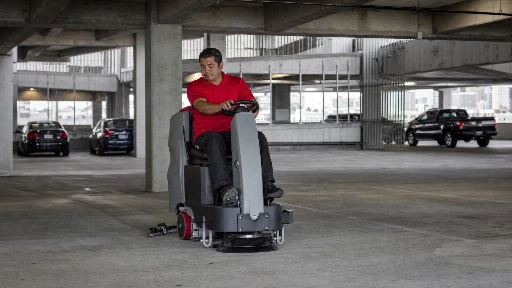
Parking structures and parking garages in Class A buildings are among the most neglected maintenance lines in Los Angeles commercial real estate. A professionally maintained parking deck runs on a three-tier cleaning program: daily sweeping to control grit and debris, weekly pressure washing of high-traffic lanes, and quarterly deep-clean cycles covering drains, sumps, and stairwells. According to BSCAI's 2026 facility maintenance standards, parking facilities that lack a documented cleaning schedule cost property managers an average of 23% more in reactive repair and remediation than those on proactive programs. MNZ Commercial Cleaning Services has provided janitorial services and commercial cleaning for Class A parking structures across Los Angeles since 1979.
Why Parking Lots, Structures, and Garages Need Professional Cleaning
Most building maintenance budgets treat the parking garage as an afterthought. That's a mistake. The combination of vehicle fluids, tire rubber, atmospheric grit, and heavy foot traffic creates surface conditions that compound fast. Oil and grease work into concrete pores within days of a spill. Grit acts as sandpaper on polished concrete floors and epoxy-coated surfaces. Stairwells and elevator lobbies accumulate the kind of ingrained soil that short-interval mopping can't touch.
For Class A buildings, there's also a tenant perception problem. A prospective tenant touring a beautifully finished lobby and then walking to a dark, oil-stained, debris-strewn parking facility forms a permanent first impression. Property managers and REITs managing Class A assets in Los Angeles and across Los Angeles County understand this. The parking structure is part of the building's brand.
A professional commercial cleaning company that specializes in parking facility maintenance will address three distinct surface categories: the concrete floor driving surface, the vertical surfaces including columns and walls, and the transitional spaces including stairwells, elevator lobbies, and pedestrian walkways. Each surface category requires different cleaning equipment, chemistry, and frequency. Slip and fall liability in parking garages is a significant exposure for property owners — clean, dry walking surfaces are the primary defense.
The Regulatory Layer Most Managers Miss
Los Angeles parking structures and garages that drain to city storm systems are subject to the MS4 Permit under the EPA's National Pollutant Discharge Elimination System (NPDES) program. Petroleum-contaminated runoff from an uncleaned parking deck isn't just a cosmetic problem — it's a compliance exposure. California stormwater regulations are among the strictest in the country. A professionally run cleaning program that captures and properly disposes of wash water keeps your building on the right side of LA's stormwater rules. OSHA Standard 1910.22 also requires that all walking and working surfaces be maintained in clean, dry condition and free of hazards. An oil-stained parking deck with standing water after rain fails that standard.
The Three-Tier Cleaning Schedule That Works for LA Class A Properties
There's no one-size-fits-all answer, but most Class A buildings in Los Angeles run a version of the following structure. The specifics get adjusted based on traffic volume, structure type (open-air vs. enclosed parking garage), and tenant mix.
Tier 1: Daily Sweeping and Parking Lot Cleaning
Day porter services handle the daily layer. A dedicated porter uses mechanical sweeping equipment to do a complete sweep of every level each morning before peak arrival, collecting litter and debris, removing trash, and spot-treating fresh fluid drips before they bond to the surface. This isn't optional if you're running a Class A program. The cost of daily sweeping service is a fraction of the cost of quarterly oil-stain remediation and concrete floor restoration.
Daily tasks typically include:
Tier 2: Weekly Power Washing of High-Traffic Areas
Weekly wet-cleaning of drive lanes, entry/exit ramps, and high-traffic pedestrian zones is the middle layer. Power washing and pressure washing at this frequency prevents grit from grinding into concrete sealers and removes tire rubber deposits before they polymerize. For enclosed parking garages, a vacuum-assisted recovery system captures the wash water before it reaches the drain, which matters for your NPDES compliance and California environmental regulations.
Weekly tasks typically include:
Tier 3: Quarterly Deep-Clean and Drain Maintenance
Quarterly cycles cover everything the daily and weekly programs can't touch. This is the full-level floor scrubbing cycle: every square foot of every parking bay, every stairwell, every sump grate, every column base. Drain sumps in Los Angeles parking structures and garages accumulate months of petroleum-contaminated grit. Cleaning them quarterly prevents backup, odor, and regulatory problems.
Quarterly tasks typically include:
Pro tip: Schedule your quarterly parking structure deep-clean in the first week of each quarter, before the quarter's maintenance reporting cycle closes. That way the clean structure is documented in your facilities report, not described as upcoming. Tenants and asset managers notice the difference.
Oil and Grease Stain Removal: The Detail That Separates Good Programs from Great Ones
Oil and grease stains are the most visible quality indicator on any parking deck or concrete floor surface. A freshly swept structure with oil-free concrete reads as maintained. A swept structure with oil aureoles around every parking bay reads as neglected, even if the rest of the program is solid.
Effective oil stain removal from concrete requires three things: the right chemistry (alkaline degreaser, pH 12 to 13 for fresh oil; specialized poultice for cured stains), sufficient dwell time (minimum 15 minutes before agitation), and mechanical action (rotary scrubber, not a mop). Rinsing with hot water under pressure seals the treatment.
For cured stains that have been in place for months, a single application won't fully restore the concrete floor. A two-application cycle spaced 48 hours apart gets you to 80 to 90% removal on most surfaces. For polished or sealed concrete, check with your sealer manufacturer before applying alkaline degreasers, as high-pH chemistry can dull some finishes.
When Stains Are Tenant Caused
Many Class A leases include provisions for tenant vehicles that repeatedly leak fluids onto parking surfaces. Document every stain with timestamped photos. Your cleaning contractor or janitorial service should provide a monthly report with photo evidence of recurring stain locations. That documentation gives your property management team the paper trail needed for tenant conversations or lease-renewal negotiations.
Enclosed Parking Garage vs Open-Air Structure: Cleaning Differences
The cleaning requirements for an enclosed parking garage differ meaningfully from those for an open-deck parking structure. Both need the same three-tier program, but the specifics shift based on ventilation, drainage, and exposure.
Enclosed parking garages accumulate more vehicle exhaust residue on walls and ceiling surfaces. Ventilation systems pull fine particulates through the structure and deposit them on surfaces that outdoor air would rinse naturally. Quarterly cleaning of the upper wall zones and structural ceiling beams is standard for enclosed garages — and often omitted from programs designed for open-air decks.
Open-air parking structures in Los Angeles benefit from natural airflow but face more direct exposure to debris, leaves, and bird activity. Drive lane sweeping frequency may need to increase during the Santa Ana wind season, when debris accumulation can spike. Roof-level drains on open-air decks need more frequent inspection than ground-level drains in enclosed garages.
Your cleaning contractor should conduct a site assessment that distinguishes between the two types and adjusts the cleaning specification accordingly. A program written for an enclosed garage applied to an open-air deck will miss the debris accumulation patterns that drive stain formation at the perimeter bays.
CAM Reconciliation and Parking Structure Cleaning Costs
For multi-tenant Class A buildings, parking structure cleaning costs are typically allocated through common area maintenance (CAM) charges. Proper documentation of cleaning frequency, scope, and cost is essential for CAM reconciliation. Tenants have the right to audit CAM charges in most commercial leases, and vague or underdocumented cleaning expenses are among the most common sources of CAM disputes.
A professional cleaning contractor should provide monthly service reports that specify dates, tasks performed, square footage cleaned, and chemical products used. This documentation protects you during CAM audits and provides the evidence base for lease renewal negotiations. Some Class A building managers also use cleaning documentation as a differentiator in tenant retention conversations — demonstrating a proactive, compliance-ready maintenance program is a tangible benefit for tenants comparing renewal options.
Staffing and Vendor Selection for Parking Structure Cleaning
Parking structure and parking garage cleaning is a specialized niche within the commercial cleaning industry. The equipment is different (walk-behind or ride-on auto-scrubbers, hot water power washers, wet-dry vacuums with squeegee heads), the chemistry is different, and the safety protocols are different. Not every janitorial service or commercial cleaning company has the equipment or trained staff to do it properly.
When you're evaluating a cleaning contractor for your parking facility, ask specifically about:
ISSA's 2026 commercial cleaning industry report notes that the parking facility cleaning segment is growing at 6.2% annually as property managers bring previously neglected structures into compliance-ready condition. Building service contractors with proper equipment and documentation are booked. Plan your vendor selection 60 to 90 days before you need the cleaning service to start.
Pricing Benchmarks for Los Angeles
Parking structure and garage cleaning in Los Angeles runs higher than standard office janitorial services because of specialized equipment, effluent management, and the time required per square foot. Here's a general range for Class A commercial properties:
For a 300,000-square-foot parking structure (roughly 1,000 spaces across four levels), expect annual parking cleaning costs in the $80,000 to $130,000 range for a complete three-tier program. That's a rounding error on the asset value of a Class A Los Angeles property, and it protects your concrete floor investment, which is far more expensive to restore than to maintain.
Integrating Parking Cleaning Into Your Building's Overall Maintenance Plan
The most effective parking cleaning programs run from the same vendor who handles the building interior janitorial services. Coordination matters. When your day porter covering the parking garage is connected to the janitorial team inside the building, response time to spills and escalations drops dramatically. Your facilities director gets a single point of contact for the whole building envelope. Work orders, logs, and compliance documentation come from one source.
Frequency alignment matters too. Your parking cleaning schedule should sync with the building's overall maintenance schedule so power washing does not conflict with move-in or move-out days, delivery windows, or tenant events. A good cleaning contractor maps your building calendar before the program starts and flags potential conflicts proactively.
Class A buildings in Los Angeles that run integrated programs also tend to perform better on BOMA's annual operating expense benchmarks. A well-maintained parking structure or parking garage reduces liability exposure, lowers reactive maintenance costs, and holds resale and refinancing value better than comparable commercial real estate assets with deferred maintenance histories.
MNZ Commercial Cleaning Services has managed building-integrated janitorial services and parking structure cleaning programs across Los Angeles since 1979, covering everything from lobby and common areas to parking decks and exterior pressure washing. Schedule an assessment of your parking facility and get a site-specific cleaning program proposal.
FAQ
How often should parking structures be power washed in Los Angeles?
Drive lanes and ramps should be power washed weekly for high-traffic Class A structures, and bi-weekly for lower-traffic facilities. Full-level washing, covering all parking bays and walkways, should happen quarterly. Los Angeles's mild climate means there's less weather-related debris than in harsher markets, but vehicle fluid buildup and tire rubber accumulation require consistent wet-cleaning regardless of season.
What does it cost to clean a parking structure or parking garage in Los Angeles?
A complete three-tier commercial cleaning program for a Class A parking structure in Los Angeles typically runs $80,000 to $130,000 annually for a 300,000-square-foot facility. This covers daily sweeping and porter service, weekly power washing of high-traffic areas, and quarterly full-level floor scrubbing cycles including drain and sump maintenance. Smaller facilities and simpler programs cost proportionally less.
Are there regulations that require parking structures to be cleaned in California?
Yes. Los Angeles parking structures and garages that drain to city storm systems are subject to the MS4 Permit under the EPA's NPDES program, which prohibits petroleum-contaminated runoff from entering storm drains. California stormwater regulations are strict and actively enforced. OSHA Standard 1910.22 requires walking and working surfaces to be maintained clean and free of slip hazards. A documented cleaning program keeps your facility in compliance with both standards.
Can one cleaning contractor handle both interior building janitorial services and parking structure cleaning?
Yes, and it's the preferred approach for Class A buildings. An integrated cleaning contractor coordinates scheduling across the whole property, provides a single compliance documentation trail, and reduces coordination overhead for your facilities team. MNZ Commercial Cleaning Services handles both building interior janitorial programs and parking facility cleaning across Los Angeles County properties.
What is the best way to remove oil stains from a parking garage concrete floor?
The most effective method for oil and grease stain removal from a concrete floor combines an alkaline degreaser (pH 12 to 13 for fresh stains), a 15 to 30 minute dwell period, and mechanical agitation with a rotary scrubber. Rinse with hot water under pressure. For older, cured oil stains, plan on two treatment cycles spaced 48 hours apart. A professional commercial cleaning service with the right equipment will achieve 80 to 90% removal on most concrete floor surfaces.
How do parking structure cleaning companies handle wash water in Los Angeles?
Professional cleaning contractors operating in Los Angeles use vacuum-recovery pressure washing systems in enclosed parking garages and structures. These systems capture wash water and petroleum-contaminated runoff before it reaches floor drains, preventing discharge to the storm sewer system. The captured water is then transported to a licensed treatment facility. Open-air structures with exterior drains require wet vacuum recovery on ramps and transition zones. A qualified cleaning company will have a written wash water management plan as part of their NPDES compliance documentation.
Related Reading
What Cleaning Standards Do Class A Office Tenants in Los Angeles Expect?
How Does High-Rise Window and Facade Cleaning Work on an LA Tower?
Transform your space into a clean and welcoming environment with MNZ. Contact us today to schedule a consultation and get a quote for our professional cleaning and maintenance services.
.jpg)


