
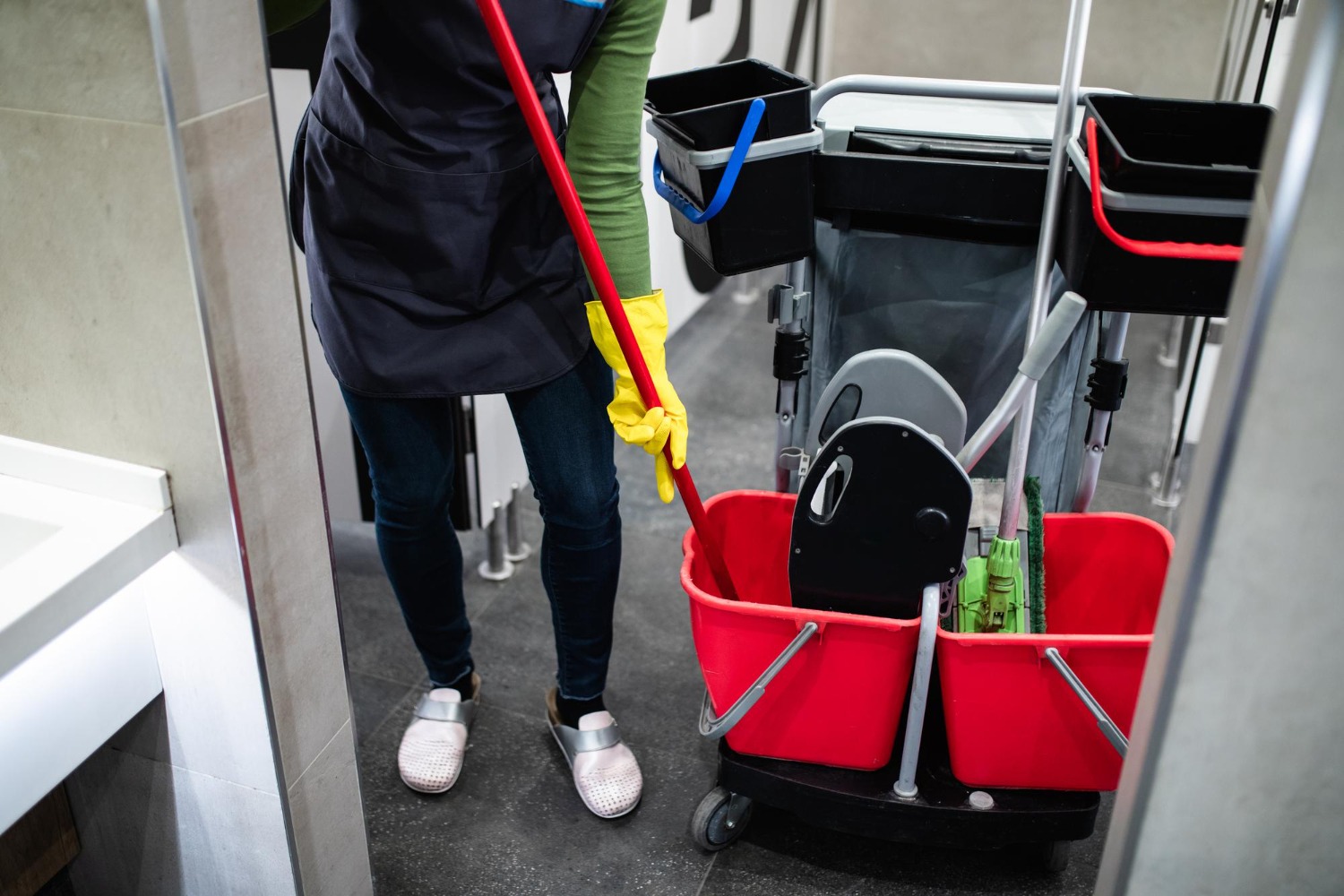
You just got the third complaint this week about restrooms that smell like a science experiment gone wrong. Your current cleaning company keeps texting "we'll handle it," but two weeks later, nothing has changed. Meanwhile, your boss just asked you to justify every line item in the facilities budget, and you wonder if there's actually a commercial cleaning service out there that delivers what they promise without drama.
Here's what nobody tells you: the commercial cleaning industry hit $415.93 billion globally in 2024, yet 57% of businesses struggle with customer retention and service consistency. That's not a coincidence. Most building managers, office managers, and property owners face the same exhausting cycle of broken promises, disappearing crews, and "emergency" surcharges that magically appear on invoices.
But it doesn't have to be this way.
This guide walks you through everything you need to know about commercial cleaning services so you can make decisions that protect your facility, your budget, and your sanity. No fluff, no generic advice that sounds good but means nothing. Just the real information you need to hire the right service and avoid getting burned.
Why Most Building Managers Dread Dealing with Cleaning Companies
Let's start with what you already know but rarely say out loud: finding reliable commercial cleaning services feels like dating in your 40s after a disastrous divorce. You've been hurt before, you're skeptical of promises, and you're tired of wasting time on companies that look good on paper but disappear when things get difficult.
The stakes are higher than most people realize. When your commercial cleaning service drops the ball, you're not just dealing with dirty floors. You're managing:
Sick employees and tenant complaints. Poor indoor air quality alone costs businesses tens of billions of dollars annually in lost productivity and medical expenses, according to the Environmental Protection Agency. When your cleaning crew skips the details, your people pay the price in respiratory issues, allergies, and sick days.
First impressions that tank your reputation. Clients, customers, and potential tenants form opinions about your business in the first seven seconds of walking through your door. Grimy lobbies, streaked windows, and restrooms that smell like defeat send a clear message: this place doesn't care about the details.
Security nightmares you didn't sign up for. Some cleaning companies take shortcuts with background checks and hiring practices. That means strangers with questionable histories roaming your building after hours, accessing sensitive areas, and potentially creating liability issues you won't discover until it's too late.
Budget stress from hidden costs. That "competitive" quote you got? It didn't include the fees for supplies, the surcharges for "difficult" areas, or the emergency callout rates when your regular crew doesn't show. Suddenly, your $2,000-per-month contract is costing $3,500, and you're stuck explaining the overage to accounting.
The commercial cleaning industry is growing at 6.9% annually through 2030, but that growth isn't solving the core problem: most companies treat cleaning contracts like transactions instead of partnerships. They underbid to secure the work, take shortcuts to sustain their profit margins, and rely on you not noticing until they have collected several months' worth of payments.
What Commercial Cleaning Services Actually Include (And What You're Really Paying For)
Before you can evaluate any commercial cleaning company, you need to understand what you're actually buying. The industry throws around terms like "full-service janitorial" and "comprehensive cleaning solutions," but those phrases mean different things to different companies.
Here's what commercial cleaning services typically cover:
- Daily janitorial tasks are the foundation of any cleaning contract. This includes trash removal, restroom cleaning and restocking, vacuuming carpets, mopping hard floors, dusting surfaces, and sanitizing high-touch areas like door handles, light switches, and elevator buttons. These tasks keep your space functional between deeper cleaning sessions, but they're surface-level maintenance, not deep restoration.
- Floor care and carpet maintenance represent 32.2% of all commercial cleaning spending, according to 2024 market data. This category includes routine carpet vacuuming, periodic deep extraction cleaning for high-traffic areas, and hard floor stripping and waxing. Floors take the most abuse in any commercial space, so cutting corners here shows up fast in the form of worn carpets, scratched tiles, and safety hazards from dirty or damaged surfaces.
- High-touch surface sanitization became non-negotiable after 2020, but many companies still treat it as an "add-on" instead of standard practice. Proper sanitization means using EPA-approved disinfectants on surfaces like conference room tables, kitchen counters, bathroom fixtures, shared equipment, and any area that multiple people touch daily. This isn't the same as wiping things down with all-purpose cleaner, a distinction lost on discount cleaning services.
- Window cleaning and exterior maintenance impact how your building looks to the outside world. Streaked, dirty windows make even well-maintained interiors look neglected. Depending on your facility, this might include interior and exterior glass, window frames, entryway cleaning, and pressure washing for walkways, loading docks, or exterior walls.
- Day porter services provide real-time cleaning and maintenance during business hours. Unlike janitorial crews that work after you leave, day porters address spills immediately, restock restrooms throughout the day, maintain lobbies and common areas, and handle unexpected messes before they become problems. For high-traffic facilities like medical offices, retail spaces, or corporate buildings with heavy client traffic, day porters prevent small issues from turning into complaints.
- Specialized services cover everything outside routine cleaning: post-construction cleanup, medical facility disinfection, industrial cleaning, event cleanup, and emergency response for floods, fires, or other disasters. These services require different training, equipment, and expertise than standard janitorial work, so not every cleaning company can handle them.
The Hidden Costs Nobody Warns You About When You Hire Cheap Cleaners
You've seen the proposals: one company quotes $2,800 per month, and another quotes $4,200 for the same square footage. The cheaper option looks tempting, especially when budgets are tight. So you sign with the low bidder, congratulate yourself on saving $1,400 monthly, and wait for your clean building.
Three months later, you're drowning in problems the original quote never mentioned.
Property damage from untrained staff. Cheap cleaning companies hire anyone with a pulse and hand them a mop. They don't train employees on proper chemical use, floor care techniques, or equipment operation. The result? Damaged hardwood floors from incorrect cleaning solutions, scratched tile from aggressive scrubbing with the wrong tools, ruined carpets from over-wetting during extraction, and broken fixtures from careless cleaning crews. One incident of serious property damage can cost more than a year of savings you thought you were getting.
The revolving door of random strangers in your building. Budget cleaners experience massive staff turnover, sometimes as high as 200% annually. That means new faces in your facility every few weeks, each with varying levels of background screening and security awareness. Some companies skip background checks entirely to keep hiring costs low. Others verify employment history but ignore criminal records. You're essentially giving building access to strangers, hoping nothing goes wrong, because the cleaning company couldn't afford to properly vet their employees.
Health and safety violations you didn't see coming. Poor cleaning doesn't just make your building look bad. It creates genuine health hazards. Improperly cleaned HVAC vents spread allergens and contaminants. Bathrooms that aren't actually sanitized become breeding grounds for bacteria and viruses. Floors that aren't properly maintained become slip hazards. The EPA estimates poor indoor air quality costs the nation tens of billions annually in productivity losses and medical expenses, much of it preventable with proper cleaning protocols.
The time you spend managing incompetence. When your cleaning service constantly misses tasks, shows up late, or ignores your requests, you become their de facto manager. You're checking their work, following up on missed areas, fielding tenant complaints, and spending hours each month dealing with problems that shouldn't exist. That time has a cost. If you're earning $80,000 annually and spending five hours per month managing cleaning issues, you're burning $2,300 yearly in labor, plus the intangible cost of stress and frustration.
Emergency repairs from deferred maintenance. Cheap cleaning companies don't flag problems. They don't notice the water leak under the sink, the HVAC filter that needs replacement, or the worn carpet that's becoming a trip hazard. So minor issues become expensive emergencies. A $200 plumbing fix becomes a $2,000 water damage repair because nobody noticed the problem for weeks.
Here's the reality: truly cheap commercial cleaning doesn't exist. You either pay for quality upfront with a reputable company that invests in training, equipment, and people, or you pay for it later through property damage, health problems, security risks, and wasted time. The companies offering rock-bottom prices aren't magically more efficient. They're cutting corners; you'll discover it the hard way.
The Questions Smart Building Managers Ask Before Signing Any Contract
Walking through a facility with a sales rep and getting a generic proposal doesn't tell you what you need to know. Most cleaning companies give polished presentations full of promises they can't keep. The difference between hiring a reliable partner and inviting chaos into your building comes down to asking the right questions and actually listening to the answers.
How do you handle pricing, and what's not included in your quote? Reputable companies provide transparent, itemized proposals that break down exactly what you're paying for. They tell you upfront what costs extra, which services require separate quotes, and how they handle changes to scope. Shady companies give vague all-inclusive quotes, then nickel-and-dime you later with fees for supplies, equipment usage, weekend work, or "specialty" tasks that should have been included. If a company can't or won't explain its pricing clearly, walk away.
What's your employee screening and training process? This question reveals whether the company takes security and quality seriously. Good companies conduct criminal background checks, verify employment history, check references, provide formal training programs, and require ongoing safety education. Budget operators skip most of this to save money and hire faster. Ask specific follow-up questions: How long is your training program? What certifications do your cleaners hold? How do you verify background check results? If they dodge the question or give generic answers like "we thoroughly vet everyone," that's a red flag.
Who will be my main point of contact, and how do you handle issues? Communication breakdowns kill cleaning relationships. You need to know who you're calling when something goes wrong, how quickly they respond, and what systems they use to track and resolve problems. The best companies assign dedicated account managers who conduct regular site visits, review performance metrics, and address concerns before they escalate. Lower-tier companies make you call a generic customer service line where nobody knows your facility or your issues.
What happens if your crew doesn't show up? Staff callouts happen. The question is how the company handles them. Professional services maintain backup crews, have on-call supervisors who can step in, and notify you immediately if there's a staffing issue so you can make alternative plans. Unreliable companies? You discover they didn't clean your building when you arrive the next morning to find yesterday's trash still sitting there.
Do you provide your equipment and supplies, or do I? This matters more than it seems. Companies that bring their own professional-grade equipment and environmentally safe cleaning products demonstrate commitment to quality. They invest in tools that work properly because they understand that cheap supplies produce cheap results. Companies that expect you to provide everything are shifting costs to you while limiting their investment in service quality.
How do you measure and report on cleaning quality? This separates companies that care about results from those just collecting checks. Strong performers use inspection checklists, conduct regular quality audits, track completion of specific tasks, and provide documentation showing what was cleaned and when. They can show you their quality control systems and explain how they ensure consistency. Companies without measurement systems are guessing, and your facility pays the price when those guesses are wrong.
What certifications and insurance do you carry? Every commercial cleaning company needs general liability insurance to cover property damage and accidents, workers' compensation insurance for their employees, and bonding to protect them against theft. Many also hold certifications for green cleaning, infection control, or industry-specific standards. Ask to see current certificates of insurance, not just assurances that they're "fully insured."
The companies that answer these questions clearly, confidently, and with specific examples are the ones worth considering. The ones that give vague reassurances, change the subject, or seem annoyed that you're asking detailed questions? They're telling you everything you need to know about how they'll handle your account.
Why Local Commercial Cleaning Companies Outperform National Chains (And When They Don't)
National cleaning franchises spend millions on marketing, so they dominate search results and project an image of professional reliability. Local companies operate quietly, building reputations through word-of-mouth and actual performance. The question for building managers is which model delivers better results for your facility.
Local companies respond when you call. When you phone a national chain, you're routed to a call center that creates a ticket, which gets assigned to a regional office, which eventually contacts your local franchise, which might call you back within 24-48 hours. Maybe. When you call a local company like MNZ Janitorial Services, you're talking to someone who knows your building, understands your specific situation, and can deploy a solution the same day. That difference matters when you have an emergency spill, unexpected event, or urgent tenant issue.
Decision-makers are accessible. National franchises bury ownership and management behind layers of corporate structure. When something goes seriously wrong, you're dealing with account coordinators with limited authority who need approval from district managers, who need approval from regional directors. Local companies put you in direct contact with owners and senior managers who can make decisions immediately, authorize adjustments to your contract, and personally ensure issues get resolved.
They understand regional needs and regulations. California has different air quality standards from Texas. New York has different waste disposal regulations from Florida. Local companies navigate these requirements daily because they specialize in your market. National franchises use standardized procedures that may not fully comply with local codes or address regional challenges like seasonal allergens, climate-specific building issues, or local health department expectations.
Quality control stays consistent. National chains struggle with franchise quality variations. One location might be excellent while another three miles away is terrible because they're independently owned and operated under the same brand. Local companies build a reputation that applies to all their work. They can't hide behind franchise agreements or shift blame to other locations. Every client reflects directly on their business.
Pricing tends to be more competitive. National franchises pay franchise fees, support corporate overhead, fund national marketing campaigns, and maintain complex administrative structures. Those costs get passed to you. Local companies operate leaner, spend less on non-service expenses, and can often provide better value at similar or lower prices.
Red Flags That Scream "Switch Your Cleaning Service Before It Gets Worse"
Most building managers wait too long to change cleaning companies. They tolerate mediocre service, make excuses for missed tasks, and hope things will improve. Meanwhile, their facility deteriorates, costs rise, and stress accumulates. Here are the signs that it's time to break up with your current provider:
They constantly promise to fix problems, but nothing changes. One missed bathroom cleaning is a mistake. Three months of the same bathroom being skipped weekly is a pattern. If you're repeatedly raising the same issues and getting the same "we'll take care of it" response without actual improvement, they're not going to change. Stop wasting time hoping this time will be different.
Your point of contact is impossible to reach. When you call with a concern and get voicemail, then wait days for a callback, that's disrespect. Cleaning is a service business. If they can't provide basic customer service communication, they don't value your account.
You see different faces every week. High staff turnover signals deeper problems: poor pay, weak management, lack of training, or a revolving door of barely screened workers. It also means nobody develops familiarity with your facility, so quality suffers and security risks increase.
Bills include mystery charges you didn't approve. If your invoices regularly include fees for supplies you thought were included, charges for services you didn't request, or pricing that doesn't match your contract, you're dealing with a company that views contracts as suggestions rather than binding agreements.
They're consistently late or miss scheduled cleanings. Reliable companies show up when they say they will. Unreliable companies make excuses about traffic, staffing, or other clients running late. If you can't count on them to simply arrive on schedule, you definitely can't count on them to clean properly.
Quality has gradually declined over time. Many companies start strong to win your business, then cut costs and effort once they think you're locked in. If your once-excellent service has slowly degraded into barely acceptable maintenance, that's intentional cost-cutting at your expense.
They never proactively flag facility issues. Good cleaning crews notice problems: worn carpet, plumbing leaks, electrical issues, and damaged fixtures. They report these observations so you can address them early. Companies that never mention anything beyond their basic cleaning tasks aren't paying attention to your facility's overall condition.
Your tenants, employees, or clients complain about cleanliness. The people using your building daily notice when cleaning quality drops. If you're fielding complaints about dirty common areas, gross restrooms, or general lack of maintenance, your cleaning company is failing the most basic measure of success: keeping the space clean enough that people don't notice the dirt.
Life's too short, and your building is too important to tolerate substandard service from companies that don't respect your time or your facility. When these red flags appear, start evaluating alternatives immediately. The longer you wait, the more damage accumulates, and the harder it becomes to justify the switch to skeptical bosses who just see contract turnover costs.
How MNZ Janitorial Services Approaches Commercial Cleaning Differently
Every cleaning company claims they're different. They all promise reliability, quality, and great communication. Then you hire them and discover they're exactly like the last disappointing contractor you fired. So what actually separates companies that deliver from those that just talk?
You get a real person who answers the phone. When you call MNZ, you talk to someone who knows your account, understands your facility, and can help immediately. Not a call center in another state. Not a voicemail system that routes you through six options before taking a message. A real human who recognizes your voice and takes ownership of solving your problem.
Account managers who show up and stay involved. Your account manager conducts regular site visits, reviews cleaning quality, discusses any concerns, and ensures services match your agreement. They don't disappear after the contract is signed, leaving you to manage everything through impersonal email and automated billing.
Customized cleaning protocols for your specific facility. MNZ doesn't use a one-size-fits-all approach where every building gets the same standard checklist. They evaluate your space, understand your traffic patterns, identify your priorities, and create a cleaning plan designed for your actual needs. Medical offices have different protocols from retail spaces. High-traffic lobbies get different attention than back offices.
Transparent pricing with no surprise fees. When MNZ provides a quote, it includes everything needed to clean your facility properly. If something isn't covered, they tell you upfront. If scope changes require price adjustments, you approve them before work happens. No mystery charges. No "gotcha" fees. Just honest pricing that matches what you agreed to pay.
Trained, background-checked, and insured staff. MNZ invests in proper employee screening, comprehensive training programs, ongoing safety education, and adequate insurance coverage. Their people know how to clean different surfaces properly, use chemicals safely, operate equipment correctly, and identify potential facility issues. You're not getting whoever showed up that day with minimal training and a questionable background history.
Quality control systems with accountability. They track completed tasks, conduct quality inspections, measure performance against your agreement, and document everything. If something gets missed, they own it, fix it immediately, and implement changes to prevent recurrence. They don't make excuses or shift blame.
Green cleaning options that actually work. MNZ offers eco-friendly cleaning products and methods certified by recognized environmental standards. These aren't ineffective "natural" solutions that smell appealing but clean poorly. They're professional-grade products that meet both environmental standards and cleaning performance requirements.
Local presence and regional expertise. As a Los Angeles-area company, MNZ understands California's air quality regulations, local building codes, regional cleaning challenges, and community expectations. They're not implementing a national playbook that may or may not fit Southern California's specific requirements.
Making the Switch to a New Commercial Cleaning Service (Without the Drama)
Changing cleaning companies sounds like a hassle. You've got to research options, review contracts, coordinate transitions, and pray the new service actually delivers. But staying with a company that's slowly destroying your facility through neglect is worse. Here's how to make the switch smoothly:
Give proper notice to your current provider. Check your contract for termination requirements. Most commercial cleaning agreements require a 30- to 60-day written notice. Send formal termination via email and certified mail so you have documentation. Be professional but brief. You don't owe them a detailed explanation or multiple chances to "fix" problems they've ignored for months.
Start your search at least 60 days before termination. This gives you time to research companies, get multiple quotes, check references, and make an informed decision without the desperate time pressure that leads to poor choices.
Schedule walk-throughs with 3-5 potential providers. Bring them through your facility, show them specific areas needing attention, explain your priorities and concerns, and ask the tough questions from earlier in this guide. Pay attention to how they respond. Are they listening and asking relevant follow-up questions, or just reciting their standard pitch?
Check references from similar facilities. Ask for at least three current clients in buildings comparable to yours. Call them. Ask about reliability, communication, problem-solving, and whether they'd hire this company again. If a company hesitates to provide references or the ones they give seem suspiciously enthusiastic, that's worth noting.
Review proposals carefully before signing. Compare pricing structures, service inclusions, payment terms, termination clauses, and insurance requirements. Make sure you understand exactly what you're getting and what costs extra. If something's unclear, ask. If they can't or won't clarify, choose someone else.
Plan the transition with your new provider. The best cleaning companies will coordinate their start date with your previous provider's end date, sometimes conducting an initial deep clean to reset your facility to baseline standards before regular service begins. Discuss this timeline upfront.
Set clear expectations from day one. During your first 90 days, communicate frequently. Review their work, provide feedback, address concerns early, and work together to refine their approach to your facility. The goal isn't to be difficult. It's ensuring both parties understand the standards and building a working relationship based on clear communication.
Document everything. Keep records of your original contract, inspection notes, communication about issues, and evidence of service quality. If problems arise, documentation supports your position and protects you from potential disputes.
Frequently Asked Questions About Commercial Cleaning Services
How much do commercial cleaning services cost? Most commercial cleaning companies charge $55-65 per hour for standard janitorial services, with total monthly costs varying widely based on your square footage, cleaning frequency, and specific requirements. A 10,000-square-foot office might pay $2,500-4,500 monthly for nightly service, while a 50,000-square-foot facility could pay $8,000-15,000. Request itemized quotes from multiple providers to compare pricing fairly.
What's the difference between janitorial services and commercial cleaning? The terms are often used interchangeably, but technically, janitorial services refer to routine daily or weekly tasks like trash removal, vacuuming, and restroom cleaning. Commercial cleaning includes both janitorial work and specialized services like deep carpet cleaning, floor stripping and waxing, window washing, and post-construction cleanup. Most companies offering "commercial cleaning" provide both types of service.
Should I hire in-house cleaning staff or use a contract service? Contract cleaning services usually provide better value for most businesses because they handle recruiting, training, supervision, insurance, and equipment costs. You also get backup coverage when staff are sick or leave. In-house staff might work for very large facilities with unique requirements or strict security needs, but most small- to mid-sized buildings benefit from outsourcing to professional companies.
How often should my building be cleaned? This depends on your facility type and traffic. High-traffic commercial buildings typically need nightly janitorial service five days per week. Lower-traffic offices might do well with three times weekly. Medical facilities, restaurants, and retail spaces often require daily cleaning. Your cleaning company should help you determine the right frequency based on your actual usage and budget.
Do commercial cleaning companies provide their supplies and equipment? Most reputable commercial cleaning services include all supplies, equipment, and chemicals in their pricing. This practice is actually preferable because professional companies use commercial-grade equipment that performs better than consumer products. If a company expects you to provide supplies, factor that cost into your comparison and ask why they don't bring their own.
What certifications should I look for in a cleaning company? At a minimum, verify they carry general liability insurance, workers' compensation coverage, and bonding. Industry-specific certifications that indicate quality include ISSA CIMS certification for quality management, Green Seal or similar environmental certifications for eco-friendly practices, and OSHA training compliance for safety. Trade association memberships, such as those in BSCAI, demonstrate professional commitment.
Can I switch cleaning companies mid-contract? Most commercial cleaning contracts allow termination with 30-60 days written notice, though some include early termination fees. Review your current agreement carefully. If your provider has materially breached the contract by consistently failing to deliver the agreed-upon services, you may have grounds for immediate termination without penalty, but this varies by contract and jurisdiction.
What happens if the cleaning crew damages something? Professional cleaning companies carry liability insurance specifically to cover property damage caused during service. Report damage immediately to your account manager and request that they file an insurance claim. Reputable companies will handle this promptly and professionally. If they refuse to take responsibility or blame you for pre-existing damage, that's a sign you're working with the wrong company.
Your Building Deserves Better Than "Good Enough."
Every day you tolerate mediocre commercial cleaning services, your facility gets a little worse. Carpets wear down faster without proper maintenance. HVAC systems distribute more allergens. Tenants notice the declining standards. Employees call in sick more often. First impressions turn from neutral to negative.
But here's what changes when you partner with a commercial cleaning company that actually delivers:
Your building stays consistently clean, not just the week after you complain. Your staff works in healthier conditions and takes fewer sick days. Visitors walk through your doors and immediately notice the professional environment. You stop spending your mornings checking whether basic tasks got done. Problems get flagged early, before they become expensive emergencies. Your stress level drops because you're not constantly managing cleaning drama.
Most importantly, you get your time back to focus on actual building management instead of babysitting a cleaning company that should be managing itself.
The commercial cleaning industry is full of companies making big promises and delivering small results. But it also includes professional services that treat your facility like it matters, communicate like adults, and actually show up to do the work they committed to doing.
MNZ Janitorial Services has spent years building a reputation in Los Angeles on that simple premise: do what we promise, every single time, and treat our clients' facilities with the respect they deserve. No hidden fees. No disappearing acts. No excuses when things go wrong. Just reliable commercial cleaning services from people who answer the phone and show up ready to work.
Ready to stop settling for cleaning companies that waste your time and damage your facility?
Get a transparent quote from MNZ and talk to a real person who can walk through your building, understand your specific needs, and create a cleaning plan designed for your actual situation. Not a generic proposal. Not a bait-and-switch estimate. Just honest pricing for quality commercial janitorial services that actually get the job done.
Or call (818) 480-9316 and speak directly with someone who knows commercial cleaning in Los Angeles and wants to help solve your facility management headaches.
Transform your space into a clean and welcoming environment with MNZ. Contact us today to schedule a consultation and get a quote for our professional cleaning and maintenance services.
.jpg)


