
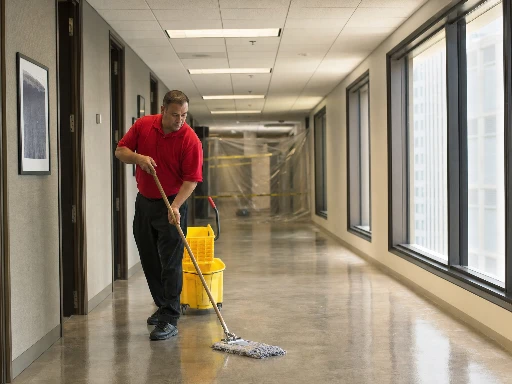
Cleaning an occupied Los Angeles office building during an active tenant improvement can feel like two jobs running in opposite directions at the same time. One floor is getting gutted and rebuilt, another is full of tenants trying to get through their workday. Whether it's a full remodeling project or a targeted TI, the cleaning service scope changes dramatically when contractors are on site. According to BSCAI, occupied renovation projects require up to 40 percent more labor hours from a cleaning service than standard day-to-day service, because construction dust, debris, and foot traffic from contractors multiply the workload on every floor that stays open. The good news is that with professional office cleaning services and the right support structure, MNZ Commercial Cleaning Services has handled exactly this situation for property managers across the greater Los Angeles area for decades.
Why Occupied TI Projects Demand a Separate Cleaning Plan
Most commercial office cleaning contracts are built around a predictable building: the same tenants, the same foot traffic, the same surfaces to maintain. A tenant improvement project breaks that predictability. Suddenly you've got a general contractor bringing crews through the lobby before sunrise, drywall dust migrating into the HVAC ducts on floors above the work zone, and your occupied tenants calling to complain about debris tracked into the elevator cabs.
The problem isn't that the cleaning service isn't working hard enough. The problem is that a standard janitorial services scope wasn't designed for a construction site environment. You need a parallel protocol that accounts for:
When those elements aren't defined upfront, property managers and business owners end up fielding tenant complaints and getting pushed into reactive cleanup calls at the worst times, usually right before a prospective tenant tour or a board walkthrough.
The Dust Migration Problem
Drywall dust is one of the most persistent challenges in commercial office cleaning during an occupied TI project. It's fine enough to travel through building air handling systems, settle on surfaces three floors away from the work zone, and coat glass, keyboards, and countertops in commercial offices that tenants expect to be spotless. OSHA's construction air quality guidance (1926.57) identifies particulate migration as a primary concern in occupied multi-tenant buildings during interior demolition and rebuild phases.
A good mitigation plan includes temporary construction barriers with sealed HVAC vents on active work floors, a filter upgrade schedule on the main air handling units serving occupied zones, and daily wipe-down service on horizontal surfaces in corridors, elevator lobbies, and shared restrooms adjacent to the TI area. That's work that goes beyond the standard cleaning schedule, and it needs to be scoped and priced before the GC breaks ground.
Contractor Traffic Adds Up Fast
On a mid-size TI project, a single trade day can bring 15 to 30 contractors through the lobby, service elevator, and building core. That traffic tracks debris onto lobby floors, elevator cabs, and corridor carpets that your occupied tenants share. Most GC contracts include a basic "broom clean" requirement, but broom clean is not the same as building-standard clean. It means the contractor swept up, not that the common areas are presentable for a Class A tenant. How the office looks to visitors and arriving staff is your standard -- not the GC's.
Day porter service is the right tool here. A dedicated cleaner assigned to the building during construction hours can police the lobby and elevator cabs on a rotation, keep the service corridor presentable, and flag any safety concerns, like a wet floor from a plumbing rough-in, before a tenant or visitor encounters them. This consistent cleaning presence is what separates a well-managed renovation from a chaotic one.
How to Structure Your Office Cleaning Services During an Active TI
The cleanest approach, in our experience, is to treat the TI zone and the occupied floors as two separate scopes under one contract. That keeps accountability clear and makes it easier to adjust as the project phases change. This is how our professional commercial cleaning business structures TI projects for property managers across the Los Angeles area -- and it's the same approach we've used for over 45 years.
Scope 1: The Construction Zone
Inside the active TI space, cleaning services include an end-of-day pass after the GC's crew has done their broom clean. The cleaning process for the construction zone includes:
The goal is to bring the construction zone to a contained, safe condition each evening -- creating clean, controlled conditions so that any early-morning contractor activity doesn't start in yesterday's mess. A thorough cleaning at the end of each shift also reduces the dust load that would otherwise migrate to occupied floors overnight.
Scope 2: Occupied Floors and Common Areas
The occupied portions of the building need an escalated level of service -- not just regular cleaning, but a consistent cleaning service calibrated to construction conditions. That escalation typically includes:
Tenants notice when office cleanliness slips during a renovation. Keeping the occupied floors spotless and professional signals that you've got the project under control, which matters especially if you're trying to retain those tenants through the build-out and into the next lease cycle. A clean and healthy workspace reflects professionalism and expertise in building management -- and customer satisfaction during a disruptive renovation is a direct reflection of your management quality.
Communication Between the Cleaning Service and the GC
One detail that property managers often overlook: your cleaning service and general contractor need a working communication channel, not just a schedule posted in the management office. The GC needs to know when the cleaners will enter the TI zone so they can secure tools and materials. The cleaning professionals need to know about any hazardous material handling days, wet concrete pours, or access restrictions that would change the scope for that shift.
Among the popular cleaning service additions during a TI project, daily GC coordination is the one that prevents the most expensive conflicts. A simple daily check-in log, even a shared text thread, can prevent overtime charges and missed service windows. We recommend building this into the project onboarding call before commercial office cleaning begins on site.
Air Quality: The Issue Tenants Feel Before They Report It
The CDC's guidelines on indoor air quality in occupied commercial buildings emphasize that particulate levels and VOC exposure from adhesives, paints, sealants, and certain cleaning products used during renovation can affect tenant health and productivity long before concentrations reach reportable thresholds. The most common tenant complaint during an occupied TI is a persistent "construction smell," which usually means VOC off-gassing has reached the occupied floors through the ventilation system.
Proactive air quality management during an occupied TI includes:
These aren't just comfort measures. Tenant lease agreements often include quiet enjoyment clauses, and a documented air quality complaint during a TI can become a legal issue if it isn't addressed promptly.
Pro tip: Ask your cleaning service to photograph HVAC filter conditions weekly during an active TI. It creates a documentation trail showing proactive building maintenance services that protect you if a tenant raises a habitability concern later.
End-of-Project Cleaning: The Turnover Deep Clean
When the TI wraps and the new or returning tenant is ready to move in, there's a gap between "contractor done" and "space ready for occupancy" that a regular cleaning pass won't bridge. Similar to a move-out cleaning scenario where every surface must be documented before key handover, post-construction cleaning requires a thorough scrub of every surface in the vacated zone. This specialized scope -- sometimes called final clean or construction cleanup -- is what cleaning companies in Los Angeles price separately from standard service, and it addresses:
According to ISSA's 2026 commercial cleaning standards, final construction cleaning in Class A office environments averages $0.25 to $0.40 per square foot, roughly double the cost of a standard deep clean, because of the detail work involved. Budget for this as a line item at the start of the project, not as a surprise expense at the end.
Frequently Asked Questions
How do we keep construction dust from reaching occupied floors?
The most effective barrier is a combination of sealed temporary walls at the TI perimeter, closed and taped HVAC vents inside the construction zone, and upgraded filters on the air handling units serving occupied floors. Consistent cleaning in Los Angeles occupied buildings means that cleaning professionals must inspect and wipe down horizontal surfaces on adjacent floors every day during active demolition and drywall phases. Fine particles will migrate regardless of containment, and a detail-oriented cleaning schedule is the only reliable defense against visible accumulation in tenant spaces.
Should the cleaning service coordinate directly with the general contractor?
Yes, and that coordination should be formalized before construction begins. The cleaners need daily access windows, advance notice of any hazardous material work, and a contact for schedule changes. The GC needs to know when the cleaning professionals will be in the TI zone. A brief daily check-in, whether a shared app or a text thread, prevents the conflicts that lead to overtime and missed service windows. Build this into your project kickoff meeting for the best office cleaning outcomes throughout the renovation.
What does occupied-building TI cleaning cost compared to standard service?
Expect to budget 30 to 50 percent above your standard monthly cleaning service cost during an active TI project. The escalation covers increased common-area frequency, day porter hours during construction shifts, construction-zone end-of-day commercial office cleaning, and HVAC filter upgrades. BSCAI's 2026 data places labor at 50 to 65 percent of a commercial cleaning company's operating cost, and labor hours increase significantly when construction traffic and dust management are added to a scope that was built for a stable, fully-occupied building.
When should we schedule the final turnover cleaning?
Schedule it after the GC's punch list is complete but at least 48 hours before the new tenant's move-in date. That window lets the cleaning professionals work without competing for access with the GC's punch-list trades, and it gives you a buffer to address any areas that need a second pass before key handover. Trying to compress the final clean into the same day as the punch-list walkthrough almost always creates problems.
Managing an occupied Los Angeles office building through an active tenant improvement is a lot smoother when cleaning Los Angeles property managers choose commercial cleaning services in Los Angeles that offer comprehensive, customized cleaning programs designed to suit your specific needs and budget. As a locally owned commercial cleaning business, MNZ provides professional commercial cleaning backed by over 45 years of experience. We serve corporate offices, retail businesses, medical facilities, and production facilities across the Los Angeles area -- from Westside creative office to Downtown Class A towers to Studio City production facilities. Our professionalism and expertise in occupied-building renovation cleaning makes us the preferred partner for property managers who need office cleaning services in Los Angeles that protect tenants while the construction crew does its work. Call us at (818) 480-9316 or request a scope review at mnz.com.
Related Reading
What Does Post-Construction Tenant Improvement Cleanup Cost in a Los Angeles Commercial Building?
Transform your space into a clean and welcoming environment with MNZ. Contact us today to schedule a consultation and get a quote for our professional cleaning and maintenance services.


