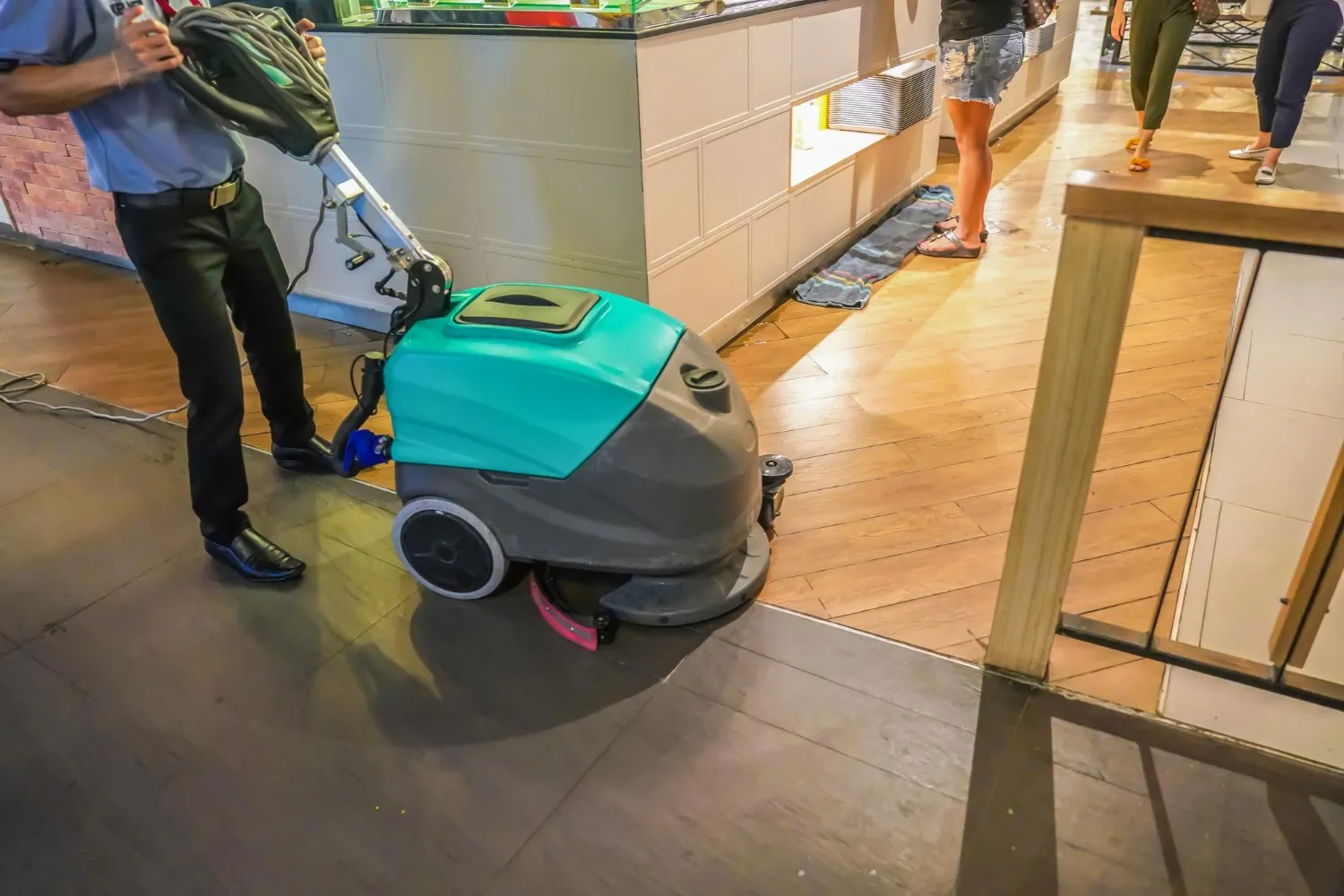
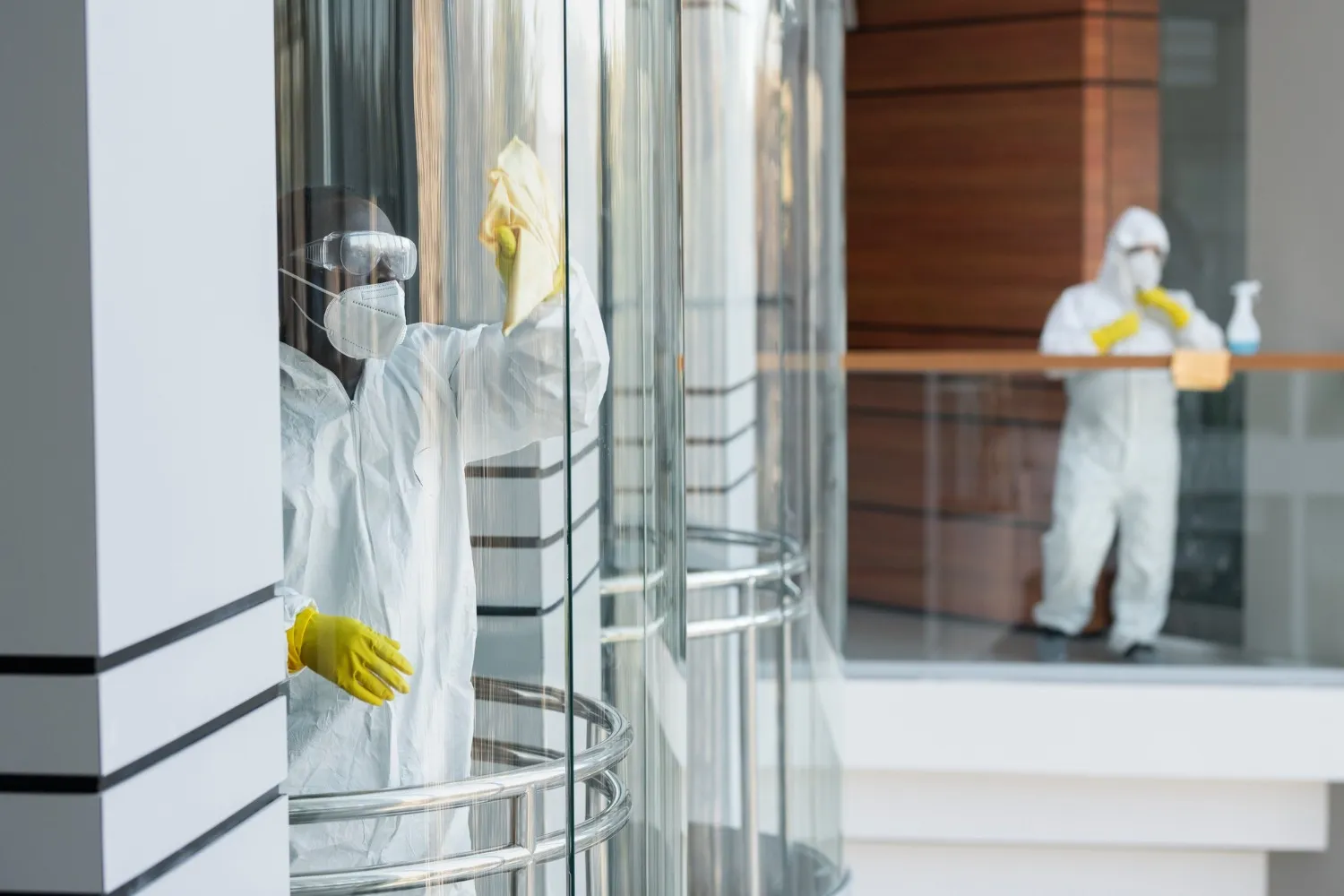
Every LA property manager and facilities director has watched the same pattern: illness moves through an office building faster when cold and flu season hits, absenteeism spikes, and productivity drops. What most don't realize is how much a structured commercial cleaning program can change that outcome. The CDC estimates that the average US employee misses 3 to 5 sick days per year, and research from the American Journal of Infection Control shows that consistent surface disinfection in workplace environments can reduce the spread of common viruses by up to 99 percent within 24 hours. For a 200-person office in Los Angeles, that math translates directly to real dollars. Here's what a smarter professional cleaning plan actually looks like, and what it takes to make it work.
Where Illness Spreads in a Commercial Office Building
Germs don't spread because an office looks dirty. They spread through high-touch surfaces that get touched dozens of times a day and rarely get cleaned between occupant contacts. A 2023 study published in the International Journal of Environmental Research and Public Health found that office surfaces like shared keyboards, elevator buttons, and coffee maker handles can carry live bacteria and viruses, including influenza and rhinovirus particles, for up to 24 hours after initial contamination. The spread of germs through a shared workspace is predictable and preventable.
The highest-risk surfaces in a typical Los Angeles commercial office building:
Most standard nightly cleaning programs vacuum floors, mop, and empty bins. That's not enough to address germ transmission at high-touch surfaces unless disinfection is specifically scheduled and verified. Regular cleaning and disinfection of these contact points — including periodic deep cleaning of break rooms and restrooms — is what actually safeguards your workplace cleanliness and prevents unnecessary illness from spreading.
What Professional Cleaning Services Do to Reduce Illness in Your Workplace
Professional cleaning isn't simply more cleaning. It's targeted service, with the right products applied to the right surfaces on a schedule that matches how your building is used.
EPA-registered disinfectants, not just cleaners
Cleaning and disinfecting are different actions. Cleaning removes visible soil and debris. Disinfecting kills germs on a surface using an EPA-registered product with a documented kill claim. Many commercial cleaning products do both, but your vendor should be using a product that carries an EPA registration number and a label that specifically lists the pathogens it's effective against. For influenza, rhinovirus, and norovirus, look for products on EPA List N (disinfectants effective against SARS-CoV-2 and similar respiratory pathogens).
MNZ Commercial Cleaning Services uses EPA-registered, broad-spectrum disinfectants that meet OSHA's General Industry standards for workplace sanitation under 29 CFR 1910.141. Every product we bring into a client building has an SDS on file and has been reviewed for compatibility with that facility's surfaces.
High-touch surface schedules that match your occupancy
A nightly cleaning program disinfects high-touch surfaces once every 24 hours. For a building with heavy daytime traffic, that means surfaces in your lobby, elevator, and break room go untouched between 8 PM and 8 AM the following night. A day porter service addresses that gap: a day porter walks the building during business hours and wipes down high-touch surfaces, restocks restrooms, and responds to spills and messes in real time.
BSCAI data from 2026 confirms that buildings with day porter coverage see measurably lower restroom complaint rates and faster response times for high-touch surface contamination events, compared to nightly-only programs. For a high-occupancy Los Angeles office building, day porter coverage isn't a luxury, it's a functional hygiene decision.
Restroom sanitation that actually meets OSHA standards
OSHA's 1910.141 workplace sanitation standard requires that restrooms be maintained in a sanitary condition and that supplies, including soap, running water, and hand-drying materials, be available during all working hours. An office bathroom that runs out of soap at 2 PM and doesn't get restocked until the evening cleaning crew arrives has a compliance problem, not just an inconvenience problem. Employees who can't wash their hands properly between tasks are a direct driver of illness transmission. Your cleaning plan needs a restroom check schedule that prevents supply outages during business hours.
The Real Cost of Employee Sick Days for Los Angeles Employers
The business case for investing in higher-quality cleaning services is straightforward when you run the numbers. According to Bureau of Labor Statistics 2025 data, the average cost to an employer of a single employee sick day (including wage, lost productivity, and coverage costs) ranges from 1.5 to 2.5 times the employee's daily wage. For a 200-person Los Angeles office where average compensation runs around $80,000 per year, a single sick day per employee per year represents roughly $300,000 in total employer cost across the workforce. Beyond the direct dollar impact, absenteeism affects team morale and project continuity in ways that don't show up cleanly in a spreadsheet.
A structured cleaning upgrade, including day porter service and EPA-registered disinfection protocols, typically costs a fraction of that. The ISSA's 2026 cleaning value analysis estimates that facilities with formal high-touch surface disinfection programs see 20 to 30 percent reductions in reported sick-day absenteeism related to workplace illness transmission. Even a 10 percent reduction in absenteeism in a 200-person building pays for several years of enhanced cleaning service.
Pro tip: Ask your cleaning company for a documented high-touch surface protocol, not just a scope of work. The protocol should list which surfaces get disinfected, how often, with what product, and how the crew verifies completion. If they can't produce one, that's a signal about how their service actually runs versus how it sounds in the proposal.
HVAC and Air Quality: The Overlooked Factor
Surface cleaning addresses transmission at contact points. But many office illnesses spread through airborne droplets and aerosols that circulate through the building's HVAC system, triggering respiratory issues and contributing to indoor air quality problems that affect employee health and productivity. A comprehensive approach to reducing employee sick days includes the HVAC and ventilation side of building hygiene, not just surface cleaning.
Your commercial cleaning company should be cleaning HVAC supply and return vents on a regular schedule to prevent dust and debris from accumulating on diffuser grilles and being redistributed into the breathing zone. This isn't the same as an HVAC duct cleaning, which requires a specialized contractor. But surface-level vent cleaning is a standard janitorial task that often gets skipped because it requires ladders or extension tools. If your vendor isn't cleaning your vents as part of the regular scope, ask why.
The CDC's guidance on building ventilation and indoor air quality for workplaces (updated 2024) recommends that employers ensure HVAC filters are replaced on schedule, supply air vents are kept clear of obstructions, and surface-level grilles are cleaned regularly to maintain airflow efficiency. Your cleaning company can support two of those three items directly.
Build a Cleaning Plan and Choose the Right Cleaning Company in Los Angeles
If you're already working with a commercial cleaning company for your Los Angeles office and you want to know whether your current program is set up to reduce illness transmission, here are five questions to ask:
What disinfectants do you use, and what's the EPA registration number?
Any credible cleaning company should be able to answer this immediately. If they give you a brand name but not an EPA registration number, ask for the SDS. If they can't provide one, that's a flag.
What high-touch surfaces are on your daily disinfection checklist?
The answer should include elevator buttons, doorknobs, break room appliances, conference room surfaces, and bathroom fixtures. If they're only listing restrooms and kitchen counters, the scope is incomplete.
Do you offer day porter service for daytime high-touch coverage?
Nightly-only service leaves a gap during your busiest building hours. Ask whether a day porter is available and what their scope would include.
How do you document service completion?
A reliable cleaning company should be able to show you service logs with date and time stamps. Without documentation, you have no way to verify that disinfection happened on schedule. Logs also help you sanitize your records for compliance purposes if a Cal/OSHA inspection occurs.
When did you last review your chemical list for this building?
Product substitutions happen. Your cleaning company should be using the same products they proposed during the bid, and they should notify you before switching. If they can't remember when their product list was last updated, that's worth following up on.
Frequently Asked Questions
Can a better cleaning program actually reduce employee sick days in a Los Angeles office?
Yes, with the right scope and products. The CDC and ISSA both confirm that consistent EPA-registered surface disinfection at high-touch points reduces the spread of common workplace illnesses including influenza and rhinovirus. The key is that the cleaning program needs to specifically address high-touch surfaces with documented disinfectants on a schedule that covers your occupancy hours, not just nightly floor mopping and trash removal.
What's the difference between cleaning and disinfecting?
Cleaning removes visible soil using a soap or detergent product. Disinfecting kills germs on a surface using an EPA-registered product with a documented kill claim. Both steps matter: a surface needs to be cleaned before disinfection because soil can neutralize disinfectant chemicals before they can kill pathogens. A proper cleaning protocol cleans first, then disinfects, on high-touch surfaces.
How often should high-touch surfaces be disinfected in a Los Angeles office?
For a standard occupancy office building, high-touch surfaces should be disinfected at minimum once per 24-hour period (during nightly cleaning) and once again during business hours by a day porter. Buildings with higher occupancy density, food service, or health-sensitive tenant populations benefit from more frequent touchpoints. Your cleaning company should be able to recommend a schedule based on your specific building headcount and usage pattern.
What does California law require for workplace sanitation and paid sick leave?
On the sanitation side, OSHA's General Industry Standard 29 CFR 1910.141 requires that workplaces be maintained in a sanitary condition, with functioning restroom facilities, adequate soap and running water, and working hand-drying equipment available during all hours of operation. California's own Cal/OSHA standards at Title 8 CCR 3366 through 3368 reinforce these requirements. On the sick leave side, California's Healthy Families Act established the foundational paid sick leave law in the state. Under current California sick leave law, employers must provide paid sick leave to employees — most employees accrue at least one hour of paid sick leave for every 30 hours worked, with a minimum annual balance of 40 hours or five days. The City of Los Angeles imposes additional requirements under its Minimum Wage Ordinance. Your cleaning company's scope should be built to keep you compliant with both sanitation standards and to support the workplace environment your employees need to stay healthy.
Reducing employee sick days in your Los Angeles office building starts with a cleaning plan designed around how illness actually spreads, not just how clean the floor looks. MNZ Commercial Cleaning Services has been building smarter cleaning programs for commercial facilities across Los Angeles since 1979. We're licensed, insured, bonded, BBB accredited, and Platinum GBB certified. Call us at (818) 480-9316 or visit mnz.com to talk through your building's current cleaning program and where there's room to do better.
Related Reading
What Does a Restroom Sanitation Protocol Include for a Class A Los Angeles Office Building?
Transform your space into a clean and welcoming environment with MNZ. Contact us today to schedule a consultation and get a quote for our professional cleaning and maintenance services.